Types of Baby Swaddles
Not all swaddles are created the same. The right style depends on your baby's stage, sleep habits, and what makes your daily routine easier. From classic wraps to modern zip-up styles, understanding the types of baby swaddles can help you choose the best option for safer, more restful sleep.
Traditional Swaddle Blankets
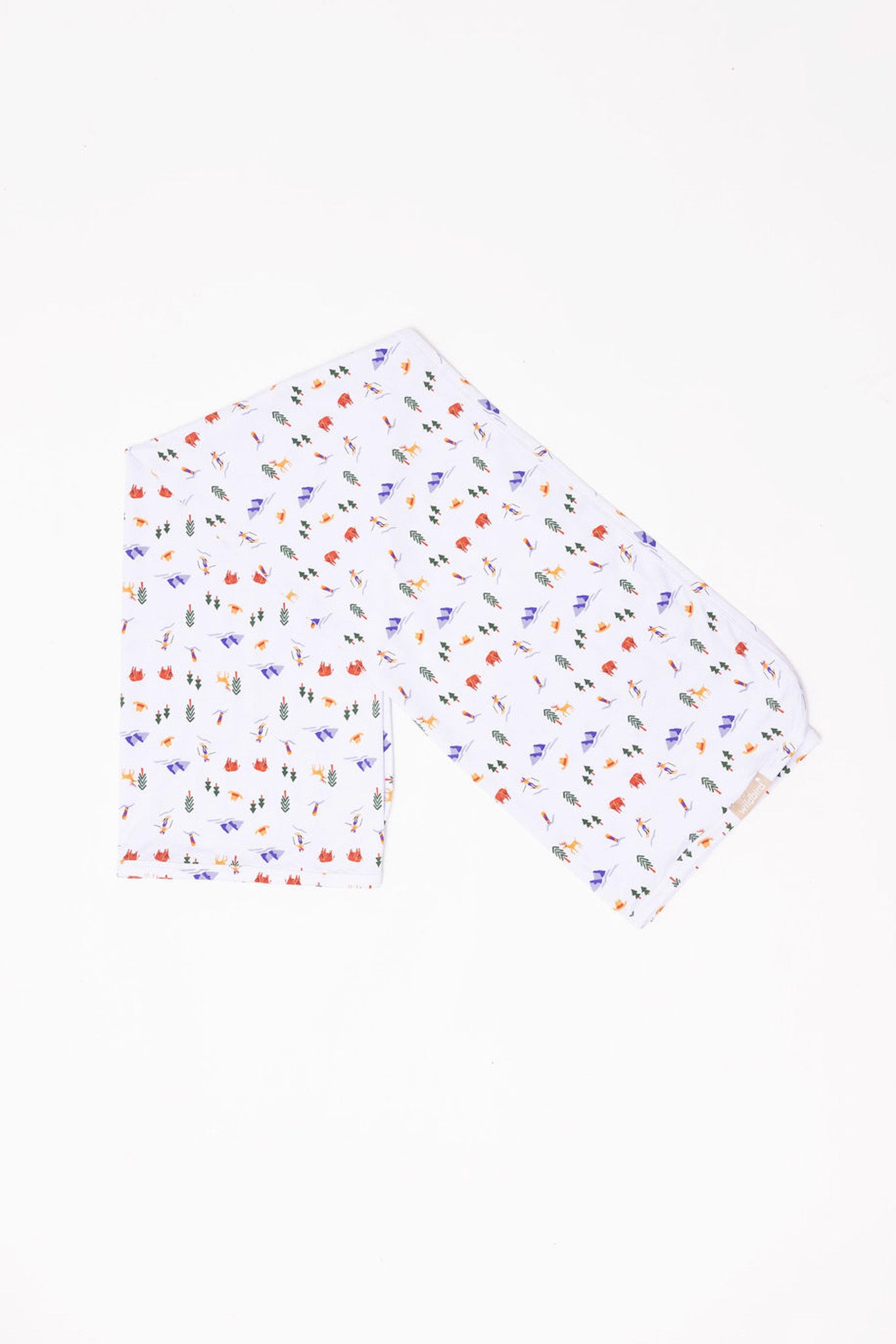
Traditional swaddle blankets are simple, versatile, and loved by many parents for their custom fit. These are large, square or rectangular cloths made from breathable fabrics like muslin, cotton, or soft knit. They allow you to wrap your baby securely while adjusting the tightness and position based on your baby’s size and movement.
One of the biggest benefits of a traditional swaddle is its flexibility. Beyond sleep, it can double as a nursing cover, stroller blanket, burp cloth, or tummy time mat. Once you learn the basic wrapping technique, this style offers a snug and secure swaddle that feels natural and cozy for your newborn. They are also easy to fold, pack, and wash, making them a practical choice for everyday use.
Swaddle-Style Sleep Sacks
Swaddle-style sleep sacks are a more structured, modern option that combines the comfort of swaddling with the convenience of a wearable design. These are one-piece garments that usually close with zippers, snaps, or fabric tabs, making them easier to use, especially for middle-of-the-night changes.
Many parents prefer sleep sacks because they offer a consistent fit without having to learn a specific folding method. Some designs include adjustable features or convertible sleeves so your baby can safely transition from arms-in to arms-out as they grow. Others include thoughtful details like double zippers for easier diaper access or mesh panels to keep your baby cool.
Swaddle sleep sacks provide a secure fit that supports better sleep while making daily routines more manageable. They are a great option for newborns and infants who need extra comfort but are starting to move more during sleep.
Benefits of Swaddling a Baby
Swaddling is a time-tested practice that helps soothe newborns and create a more restful sleep environment. When done correctly, it provides both emotional comfort and physical support during a stage when babies are adjusting to life outside the womb. Here are some of the key benefits of swaddling a baby.
Regulates Temperature
Newborns are still developing the ability to regulate their own body temperature. A lightweight, breathable swaddle helps keep your baby warm without overheating. Fabrics like muslin or our signature CloudBlend offer soft comfort while allowing airflow, which helps maintain a steady temperature throughout naps and overnight sleep. Proper swaddling provides that cozy, wrapped feeling without trapping excess heat.
Improves Sleep
Swaddling can lead to longer, more restful stretches of sleep. It keeps your baby's arms and legs gently secured, which helps prevent sudden startle movements that often wake them. By limiting unnecessary motion, swaddling helps your baby stay in a calm, relaxed state for longer periods. Many parents find that swaddled babies fall asleep faster and settle more easily after nighttime feedings or changes.
Mimics the Womb
The snug wrap of a swaddle recreates the safe, enclosed feeling of the womb. For newborns, this familiar sensation can ease the transition into the world and help them feel more secure. Mimicking the womb helps reduce overstimulation and provides gentle pressure that signals comfort and protection, which can make daily routines like bedtime, feeding, or travel feel less stressful for both baby and parent.
Reduces Risk of SIDS
Swaddling has been associated with a reduced risk of Sudden Infant Death Syndrome (SIDS) when practiced safely. By keeping babies on their backs and preventing them from rolling too early, swaddling supports a safer sleep position. It also keeps loose blankets out of the crib, which can reduce the risk of suffocation or overheating. Always follow safe sleep guidelines and stop swaddling once your baby shows signs of rolling.
Helps with Colic
For babies who experience colic or frequent fussiness, swaddling may provide extra comfort during challenging periods. The gentle pressure from a swaddle can have a calming effect, helping to reduce crying and ease restlessness. When paired with other soothing techniques like rocking, white noise, or a warm bath, swaddling offers a simple and supportive way to help your baby feel more relaxed.
How to Choose the Right Baby Swaddle
Newborn baby skin is very sensitive. With that in mind, it's important to choose a baby or newborn swaddle that is lightweight, breathable, and most importantly, gentle on your baby's skin.
Here at Wildbird, we've engineered CloudBlend™ fabric that combines the best features of a number of other fabrics. It's soft, stretchy, and durable, ensuring that it's a perfect fit for every baby.
Size also plays an important role in choosing the right baby swaddle. It's important to make sure the swaddle is large enough to wrap your little one securely. However, if the swaddle is too big, your little one may become tangled.
Baby Swaddling Tips
Here are a few tips for successful baby swaddling.
Early Introduction
The earlier you introduce swaddling to your little one, the more likely they are to adapt to it and find comfort in this practice. Keeping it consistent can also help your baby recognize swaddling as a cue for sleep. This is a great way to develop a healthy sleep routine and establish good sleeping habits from the start.
Keep an Eye for Overheating
Overheating must always be avoided, because it creates a really uncomfortable environment for your baby. Keep an eye on signs like sweating, flushed cheeks, and rapid breathing. Use a lighter swaddle to bring the temperature down and ensure proper airflow.
Keep it Snug, but Not Tight
Swaddling is meant to be cozy and compact, but not too restrictive. Be sure to wrap the swaddle snugly around your baby's body, but avoid making it too tight. If you swaddle too tight, it can interfere with your baby's physical development.
Our baby sleeping sack is an excellent alternative to traditional swaddles, offering ease of use and comfort. Complement your sleep setup with our baby organic sleep gown, designed for a cozy night’s sleep. For a little extra warmth, consider our baby quilts.
Baby Swaddle FAQs
What Age Can You Start Swaddling?
Swaddling is ideal for newborns and can be started from the very first days after birth. It helps recreate the safe, secure feeling of the womb and can soothe your baby during sleep and quiet time. Most babies benefit from swaddling in the first weeks of life, but it should be discontinued once they show signs of rolling over, which often happens around 6 to 8 weeks or by 2 months. At that stage, it is safer to transition to a sleep sack or arms-free sleep option.
Is Swaddling Safe for Babies?
Yes, swaddling is safe for babies when done correctly and used during the appropriate stage of development. A properly wrapped swaddle can help calm your newborn, support better sleep, and reduce startle reflexes that often wake them. To keep swaddling safe, always place your baby on their back to sleep, use breathable fabric, and ensure the swaddle is not too tight around the hips or chest. Stop swaddling once your baby starts showing signs of rolling. Following these guidelines makes swaddling a safe and soothing part of your baby’s early sleep routine.
When Should You Stop Swaddling Your Baby?
You should stop swaddling your baby as soon as they begin to show signs of rolling over. For many babies, this happens around 8 weeks or close to 2 months of age. At this stage, swaddling can become a safety concern because it may restrict movement if your baby rolls onto their stomach during sleep. Transitioning to a sleep sack or wearable blanket allows your baby to move more freely while still feeling comforted. Keeping an eye on physical milestones will help you know when it is time to make the switch.
Can You Swaddle a Baby Too Tightly?
Yes, swaddling a baby too tightly can create health risks. If the swaddle is wrapped too firmly around the chest, it can affect breathing. If it restricts movement at the hips or legs, it may interfere with healthy hip development. A safe swaddle should be snug across the upper body to provide comfort and security but loose enough around the hips to allow for natural movement. Always leave enough room to fit two fingers between the swaddle and your baby’s chest, and make sure the legs can bend and stretch freely.
Should You Swaddle Your Baby for Naps?
Swaddling can be just as helpful during naps as it is at night. It creates a sense of security and can help your baby fall asleep more easily and stay asleep longer by reducing startle reflexes. Using a swaddle for naps also supports a consistent sleep routine, helping your baby recognize it as a cue for rest. Always place your baby on their back to sleep and monitor for signs of overheating. Once your baby starts showing signs of rolling, it is important to stop swaddling for naps and switch to a safer sleep option like a sleep sack.