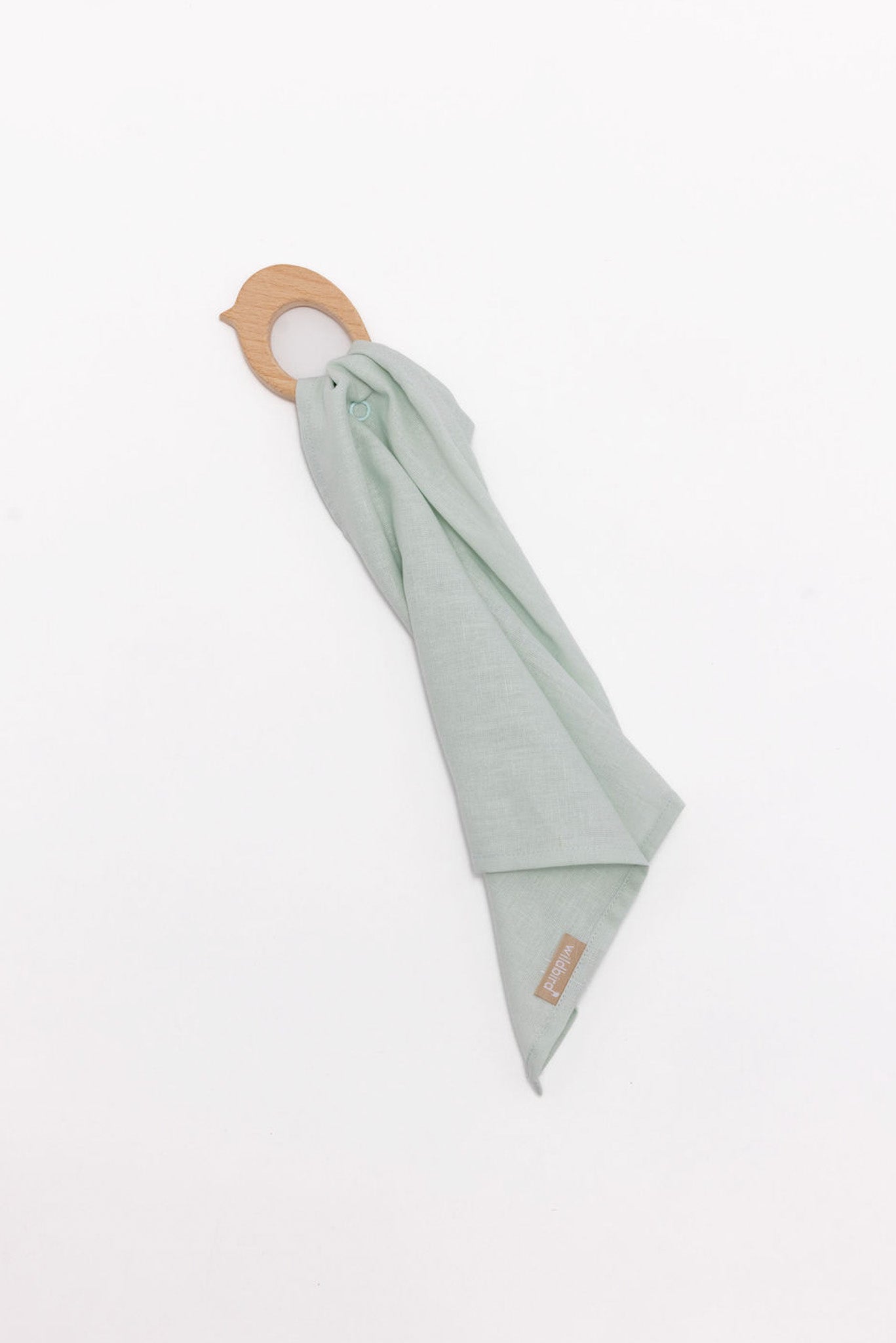
Benefits of Wooden Teethers
Wooden teethers offer practical benefits for both parents and little ones, making them a thoughtful choice for easing teething discomfort. As part of a broader range of baby products designed for teething relief, wooden teethers stand out for their natural materials and gentle touch. These teethers also function as toys, supporting sensory and developmental growth through oral exploration, tactile learning, and self-soothing. Parents can feel confident knowing they are choosing a safe, durable, and beautifully simple solution for their baby’s earliest milestones.
Natural and Non-Toxic
Crafted from smooth, all-natural maplewood, wooden teethers are free from harmful chemicals, plastics or synthetic coatings, giving parents a sense of security knowing the teether is made from non-toxic, natural materials. This makes them a safe choice for babies, offering peace of mind during such an important stage of growth.
Durability
Unlike silicone or plastic options, wooden teethers are strong and built to last. Their sturdy design resists wear and tear, ensuring they remain reliable even with daily use.
Antibacterial Properties
Wood naturally resists bacteria, making wooden teethers a cleaner option for little mouths. With proper care, they stay hygienic and safe, even after repeated chewing and handling.
Eco-Friendly
Sustainably sourced wood makes these teethers a planet-friendly choice. Parents can feel good knowing their purchase supports a more natural and responsible approach to baby care.
Sensory Stimulation
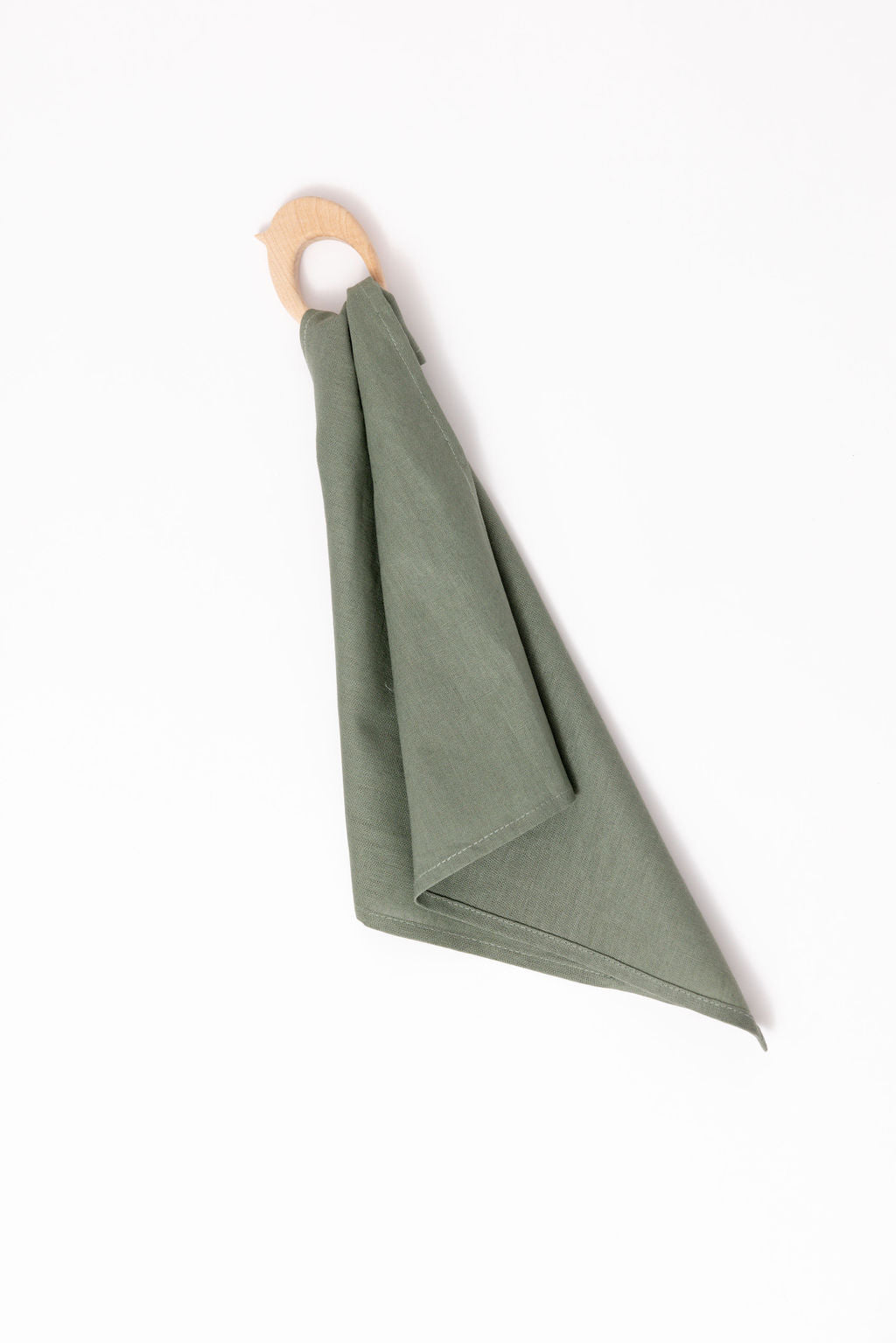
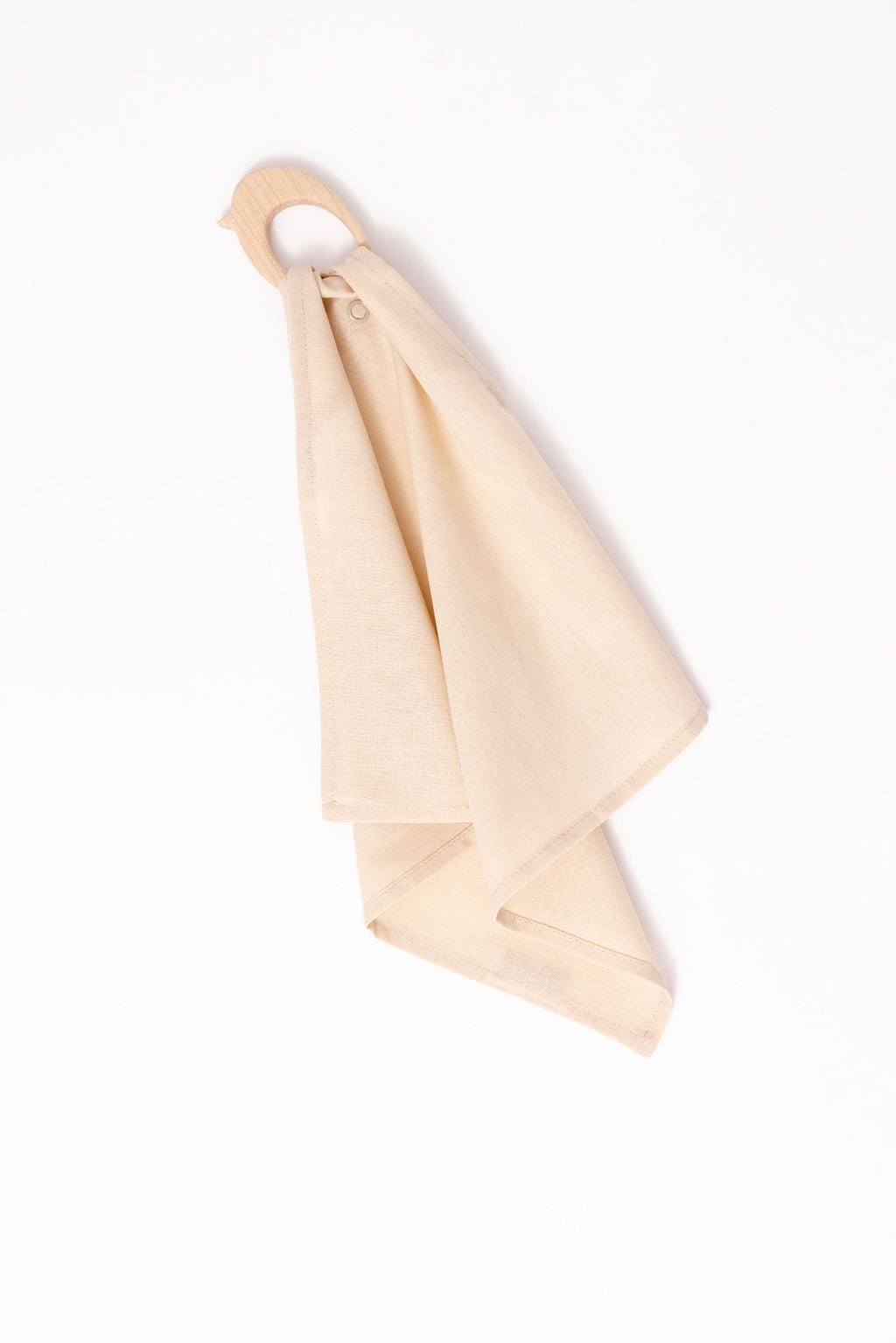
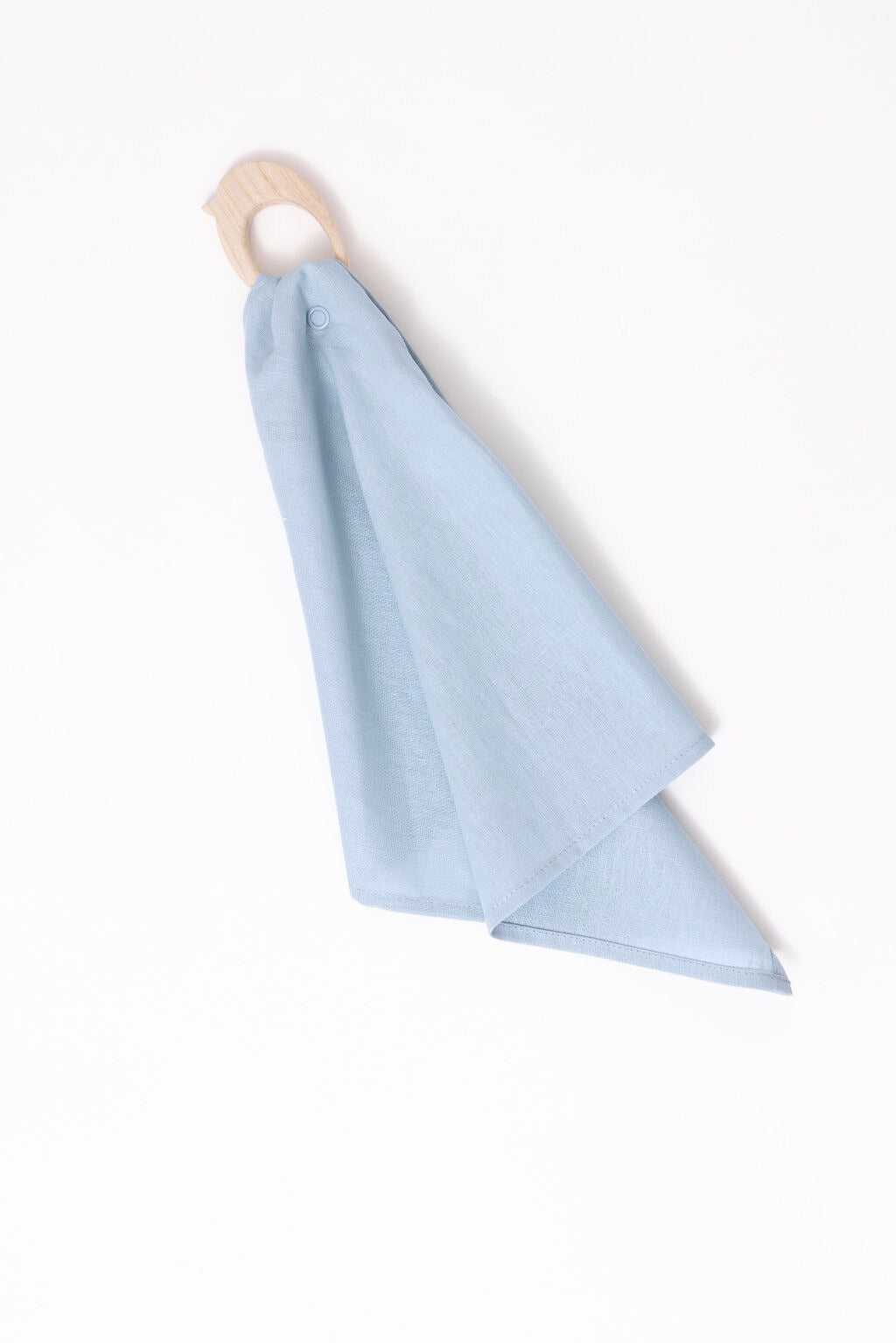
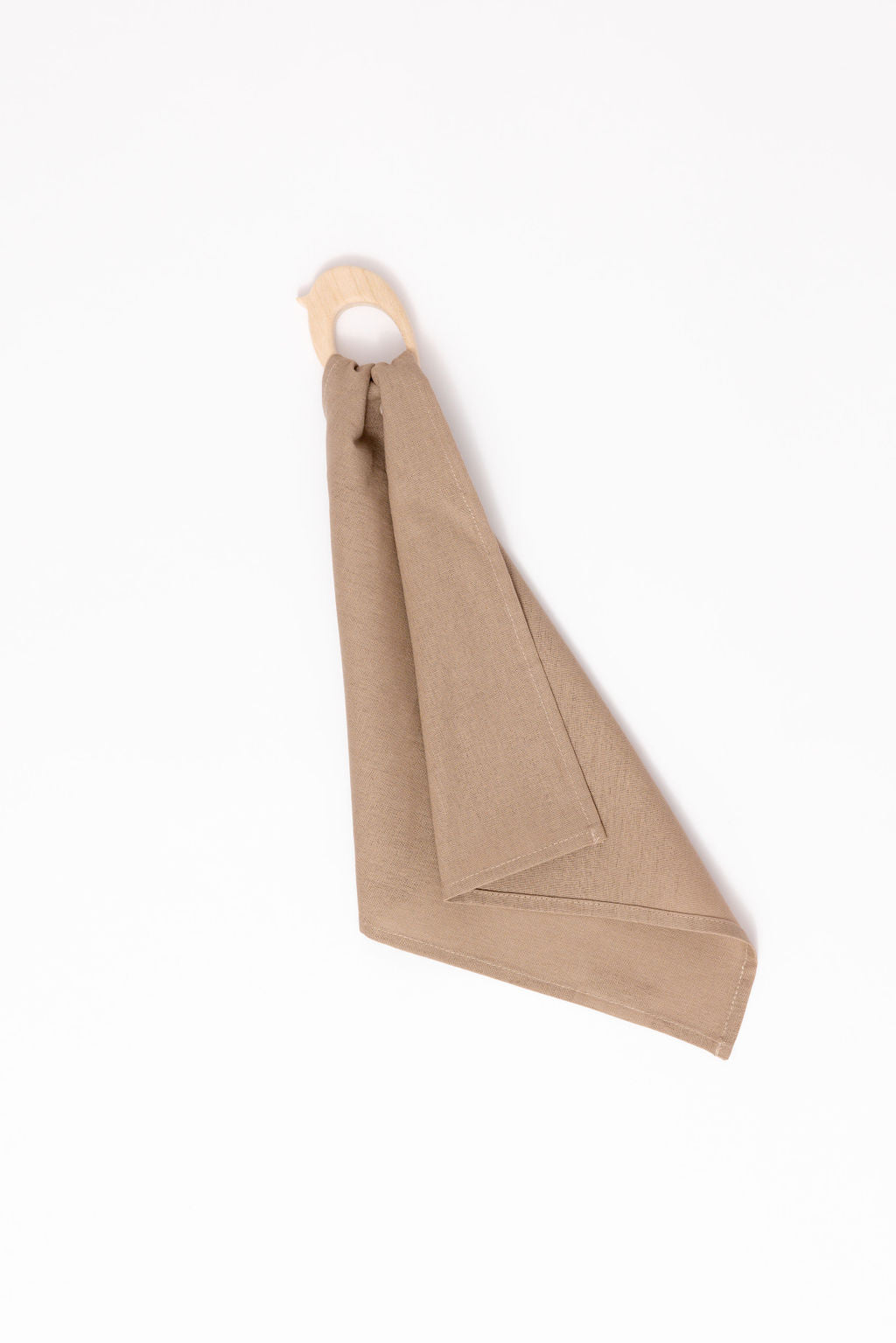
With a smooth wooden surface paired with soft linen tails, these teethers engage multiple senses at once. Babies explore texture, shape and feel, encouraging tactile development and soothing curiosity.
How to Choose the Right Teether for a Baby
When choosing the right teether, parents should look for a balance of safety, comfort and developmental support. To select the best teether, consider factors such as safety, high-quality materials, comfort for your baby, and ease of cleaning. Always consider your baby’s age and size to ensure the teether is appropriate and easy for little hands to hold. Opt for teethers made from natural, non-toxic materials that are gentle on sensitive gums and free from harmful chemicals. Texture is also important—different surfaces can provide soothing relief while encouraging healthy oral exploration. Finally, choose a design that feels simple, durable and easy to clean. A well-chosen teether not only calms discomfort but also supports your baby’s growth and curiosity; for enhanced soothing, pair the teether with a comfort object or sleep accessory.
Safety
Safety should always come first. Choose a teether designed specifically for babies, with no small parts, sharp edges, or detachable pieces that could pose a choking hazard. Always check weight and age guidelines to ensure the teether is appropriate for your child. Before making a purchase, read all product information and safety guidelines to make an informed decision.
Material Considerations
The best teethers are made from natural, non-toxic materials like maplewood or organic fabrics. These materials are free from harmful chemicals and gentle on sensitive gums, giving parents peace of mind during every stage of teething. Some teethers are also available in a bundle with other teething items, such as rings, keys, or stacking toys, providing added value and comprehensive relief for babies.
Shape and Texture
Variety in shape and texture helps soothe sore gums while keeping babies engaged. Smooth wooden surfaces combined with soft fabric details, like linen, provide both comfort and sensory stimulation as little ones explore with their mouths and hands.
Ease of Cleaning
Babies chew, drool, and drop their teethers often, so easy cleaning is essential. Look for designs that can be wiped clean or have removable fabric parts that can be machine-washed, making care simple and stress-free for parents. Some teethers can also be placed in the fridge to provide extra cooling relief for sore gums.
Wooden Teethers vs. Silicone Teethers
Both wooden and silicone teethers are designed to provide relief during teething, but each offers different qualities. Understanding the pros and cons of both can help you choose the best option for your baby.
Wooden Teethers
Crafted from natural maplewood, wooden teethers are simple, durable, and eco-friendly. They provide firm relief for sore gums while encouraging healthy oral exploration.
Wooden Teether Pros
- Made from natural, non-toxic materials
- Naturally antibacterial and hygienic
- Durable and resistant to wear and tear
- Eco-friendly and sustainably sourced
- Engages multiple senses with wood and fabric textures
Wooden Teether Cons
- Firmer texture may not suit every baby
- Limited flexibility compared to silicone
- Should be wiped clean rather than soaked
Silicone Teethers
Silicone teethers are soft, flexible, and widely available in many shapes and colors. Their gentle texture can be soothing for babies who prefer a softer chew.
Silicone Teether Pros
- Soft and flexible on sensitive gums
- Can be chilled for extra relief
- Easy to clean and often dishwasher-safe
- Variety of shapes, colors, and styles available
Silicone Teether Cons
- Not biodegradable, less eco-friendly
- Can wear down or break over time
- Lower-quality silicone may contain fillers or unsafe additives
How to Clean a Wooden Teether
To clean a wooden teether, gently wipe it with a damp cloth and a small amount of mild soap. Rinse carefully to remove any residue and let it air dry completely. Avoid soaking or submerging the wood, as too much moisture can cause warping or damage. For occasional sanitizing, you can use a diluted vinegar solution made with equal parts water and vinegar. Be sure to rinse thoroughly and allow the teether to dry fully before giving it back to your baby. With proper care, your wooden teether will stay safe, clean, and ready for everyday soothing.
Wooden Teether FAQs
When Should a Baby Start Using a Teether?
Babies typically begin teething between 4 to 10 months of age, making this the ideal time to introduce a teether. According to experts, the appropriate age to start using a teether is when your baby shows signs of teething, which often happens during these early months of life. This stage is an important part of your baby's development, as they explore the world with their mouths and need relief from teething discomfort.
Are Wooden Teethers Safe?
Yes, wooden teethers are safe for babies when made from high-quality, non-toxic wood such as maple and finished without harmful chemicals. Their smooth surface is gentle on sensitive gums, and wood naturally resists bacteria, making them a clean choice for teething relief. Unlike plastic alternatives, wooden teethers don’t contain BPA, phthalates, or other synthetic additives. The key is choosing a well-crafted teether from a trusted brand and following proper care instructions, such as wiping clean instead of soaking. When used as directed, wooden teethers provide a safe, natural, and effective way to comfort your baby during teething.
What Is the Best Wood for Baby Teethers?
When choosing the best wood for a baby teether, safety and natural properties are key. Hardwoods like beech and maple are popular choices because they are non-toxic, splinter-resistant, and naturally antibacterial, making them safe for infants aged 0-6 months. A wooden baby teether is gentle on sore gums and effective in providing pain relief during the teething process. Additionally, wood’s durability and smooth finish support your baby’s developmental needs while being easy to clean and maintain.
How Long Do Wooden Teethers Last?
Wooden teethers can last up to a year or even longer if properly maintained. Wood is also a sturdy, natural material that can stand up to the gnawing and chewing of a teething baby, unlike plastic teethers, which can crack or break. However, don’t be afraid to replace your wooden teether on a regular basis.