TOG Rating Guidelines
Choosing the right TOG helps keep babies comfortable throughout the night. TOG stands for Thermal Overall Grade and helps measure how much warmth a sleep sack provides.
- For warmer rooms around 75 degrees and above, go with a 0.5 TOG
- For moderate temperatures between 69 and 74 degrees, 1.0 TOG sleep sack is a great everyday choice
- For cooler rooms between 61 and 68 degrees, a 2.5 TOG sleep sack adds extra warmth
Always adjust layers underneath based on the season and how your baby sleeps best.
Factors to Consider When Choosing a TOG Rating
Every baby is different, and the right TOG depends on more than just the thermostat. Keep these factors in mind when picking the best sleep sack for your little one:
- Room temperature: Use a room thermometer to guide you, not just the weather outside.
- Baby’s natural temperature: Some babies run warmer or cooler than others.
- Undergarments: A bodysuit or footed pajamas can add warmth or help balance things out.
- Season: Lighter TOG for summer, heavier for colder months.
Check your baby’s chest or back; it should feel warm and dry. That’s usually a good and simple way to tell if your baby is dressed comfortably for sleep.
Benefits of Baby Sleep Sacks
Safety
Sleep sacks offer a safer alternative to loose blankets in the crib. They help reduce the risk of SIDS by keeping baby warm without the need for extra bedding. Once baby starts rolling, a sleep sack allows for safe movement while still offering a secure, cozy feel. It helps you rest easier while giving the baby a safer place to sleep.
Comfort and Sleep
A well-chosen sleep sack keeps baby at a comfortable temperature through the night. It can also lead to better, more restful sleep by calming the startle reflex and creating consistent sleep cues. As your baby transitions from swaddling, a sleep sack offers that same sense of comfort without feeling restrictive.
Convenience
Sleep sacks help make nighttime a little easier. Zipper closures make middle-of-the-night diaper changes quick and low stress. They’re simple to use, easy to wash, and made to last through growth spurts and everyday wear. One less thing to worry about when your focus is on sleep, snuggles, and soothing routines.
How to Choose a Baby Sleep Sack
Size
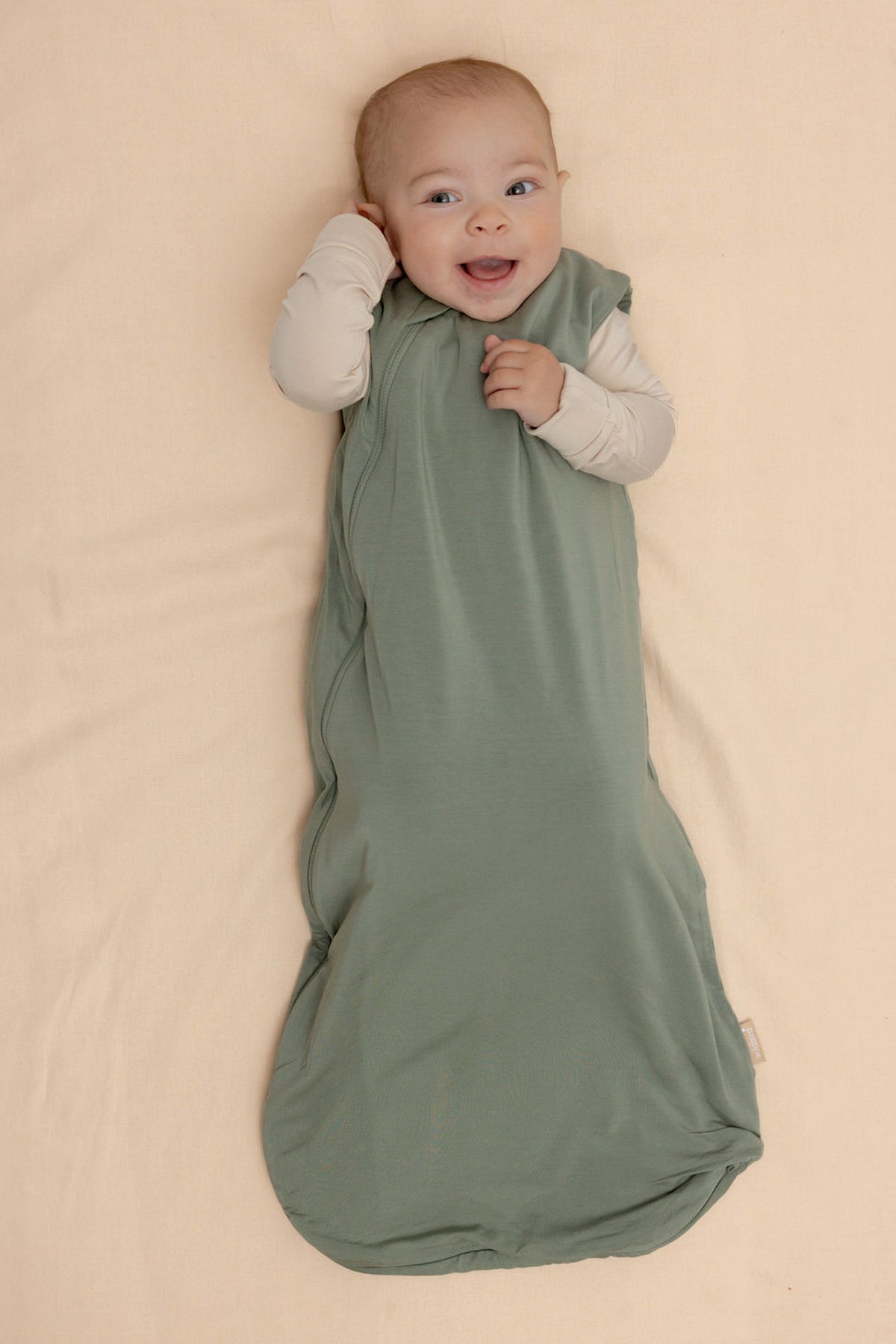
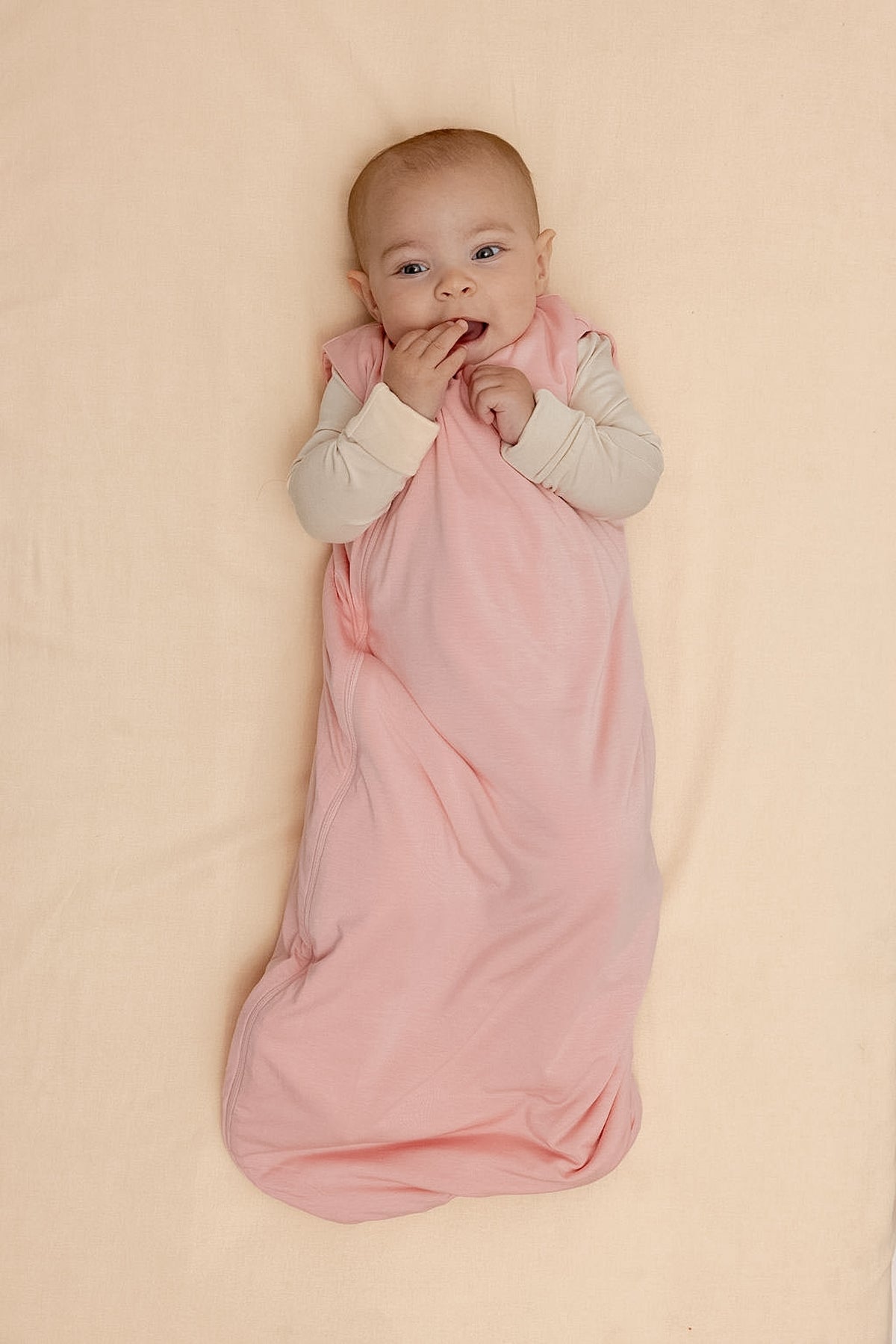
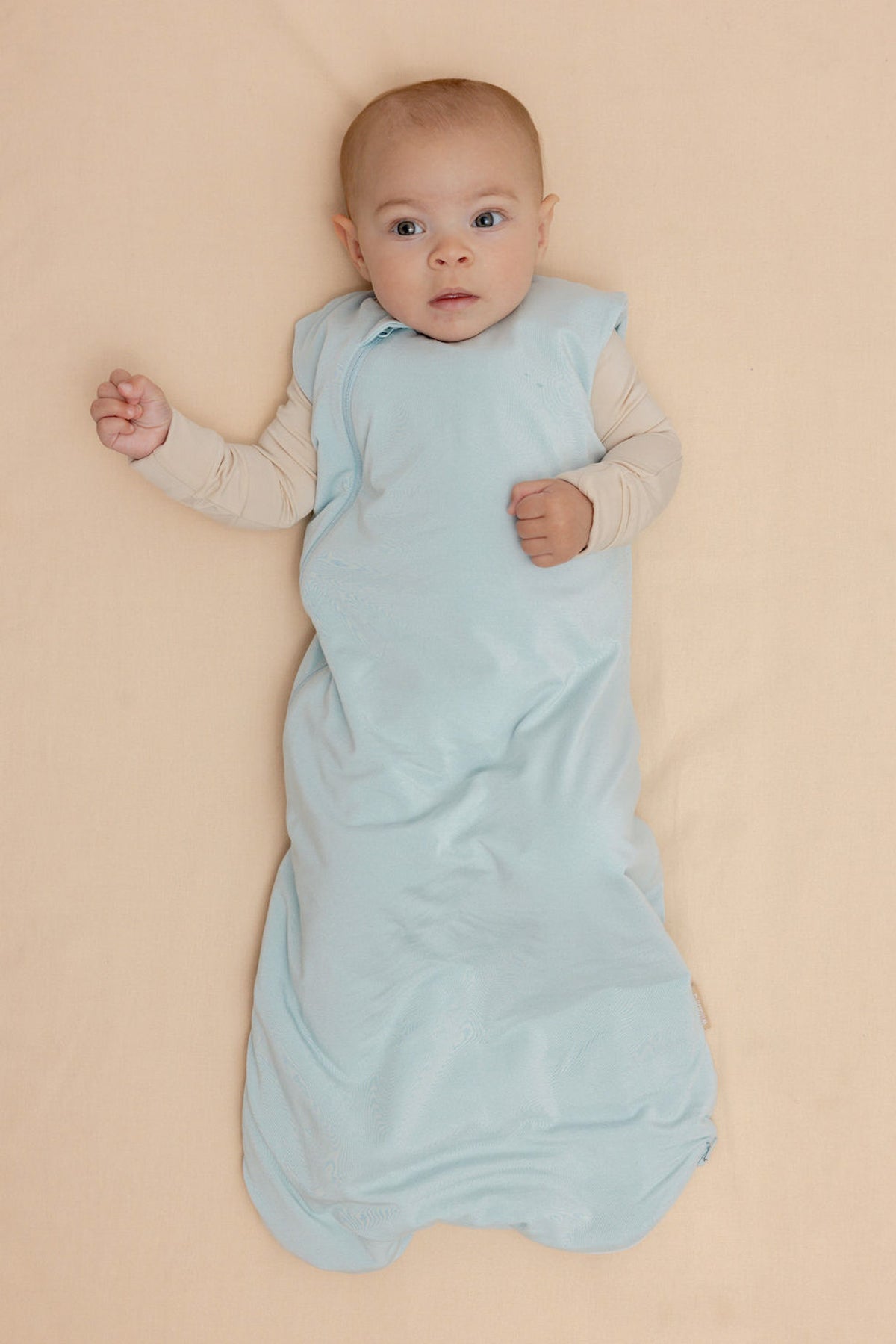
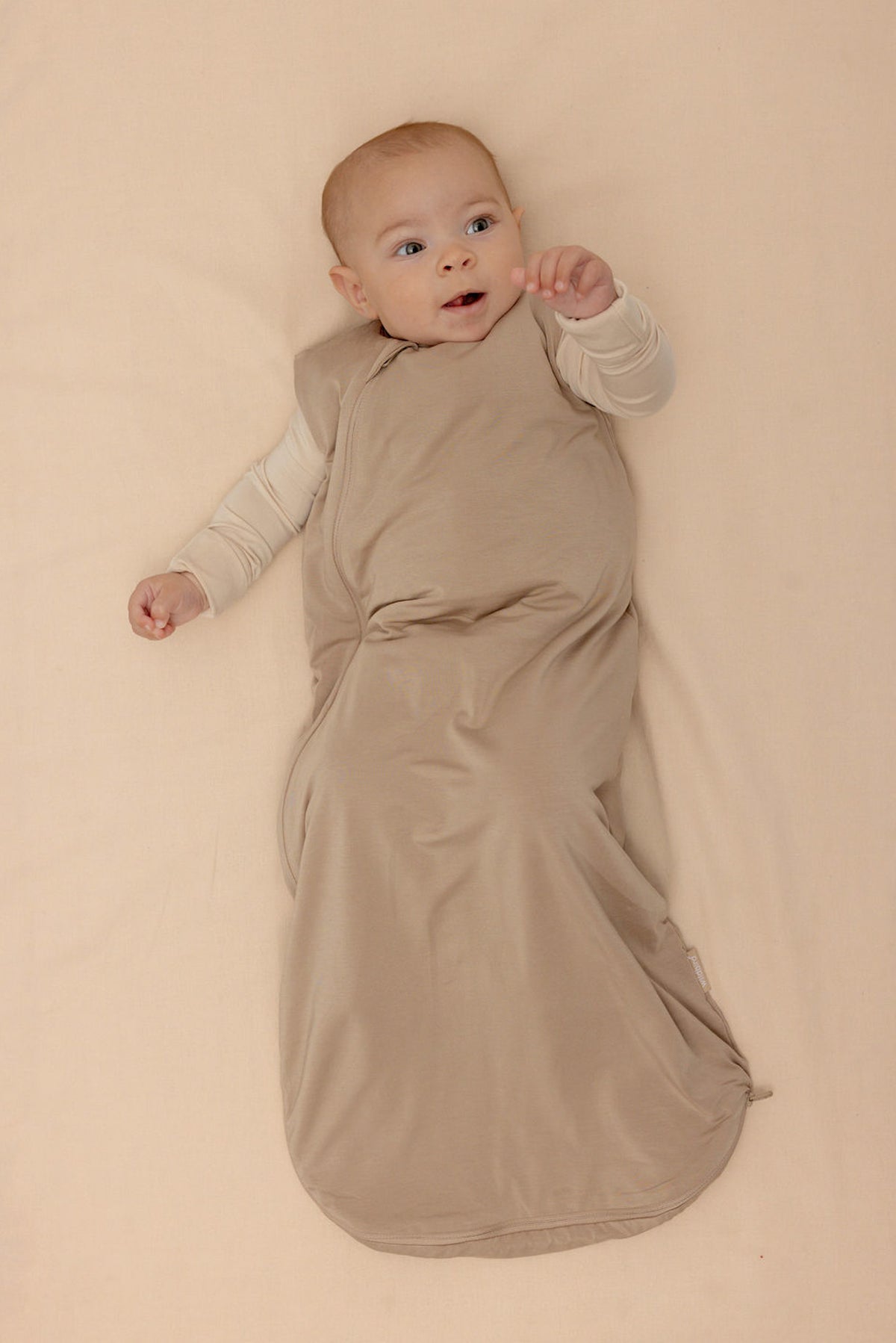
Look for a sleep sack with a snug fit around the chest and arms, plus enough room at the bottom for baby to stretch and kick. Age-based sizing helps, but always double-check armholes and overall length to make sure it’s just right.
TOG Rating
Match the TOG rating to your baby’s sleep environment. Use a lighter TOG for warmer months and a heavier one for cooler nights. You can always layer pajamas underneath to get the comfort level just right.
Fabric
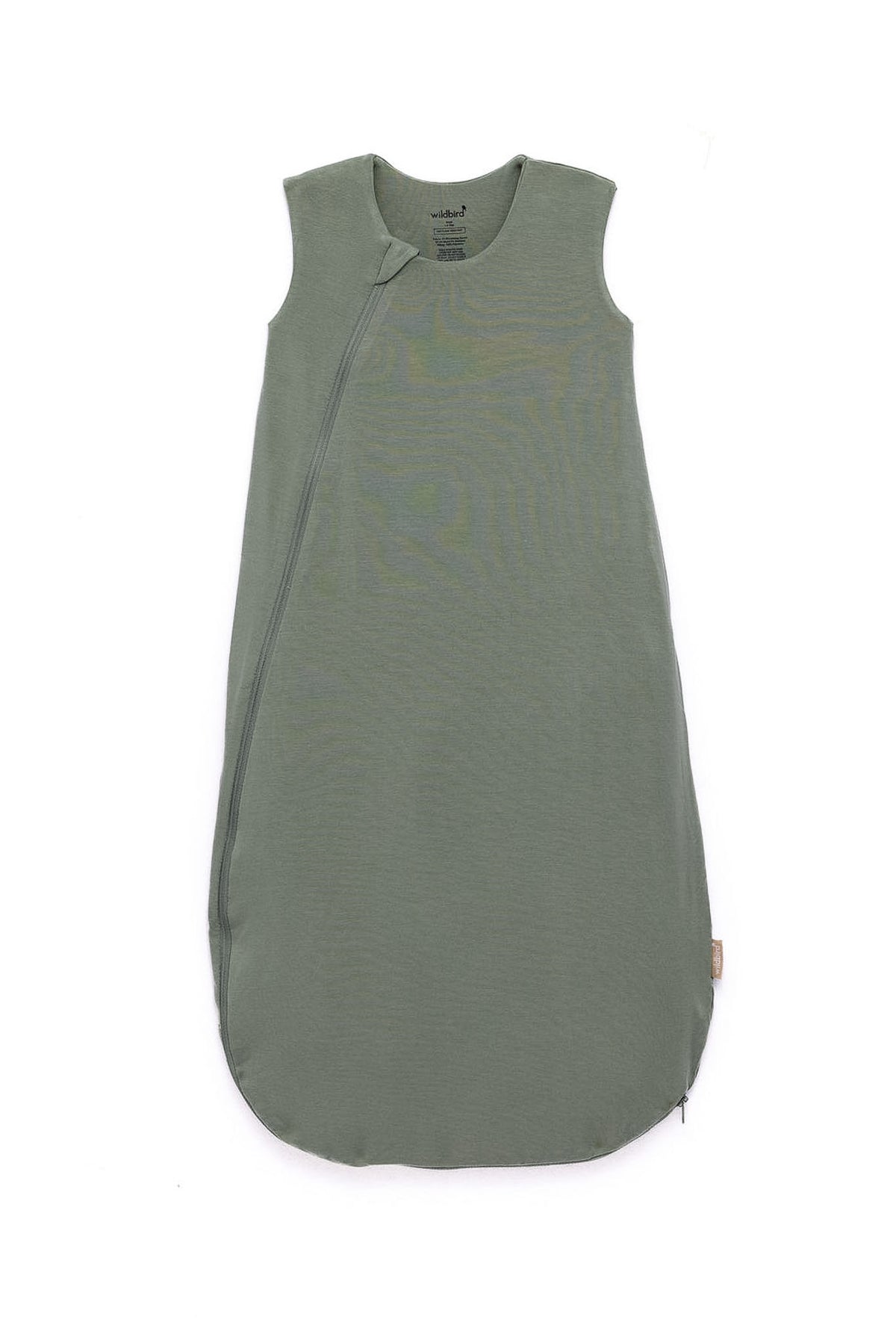
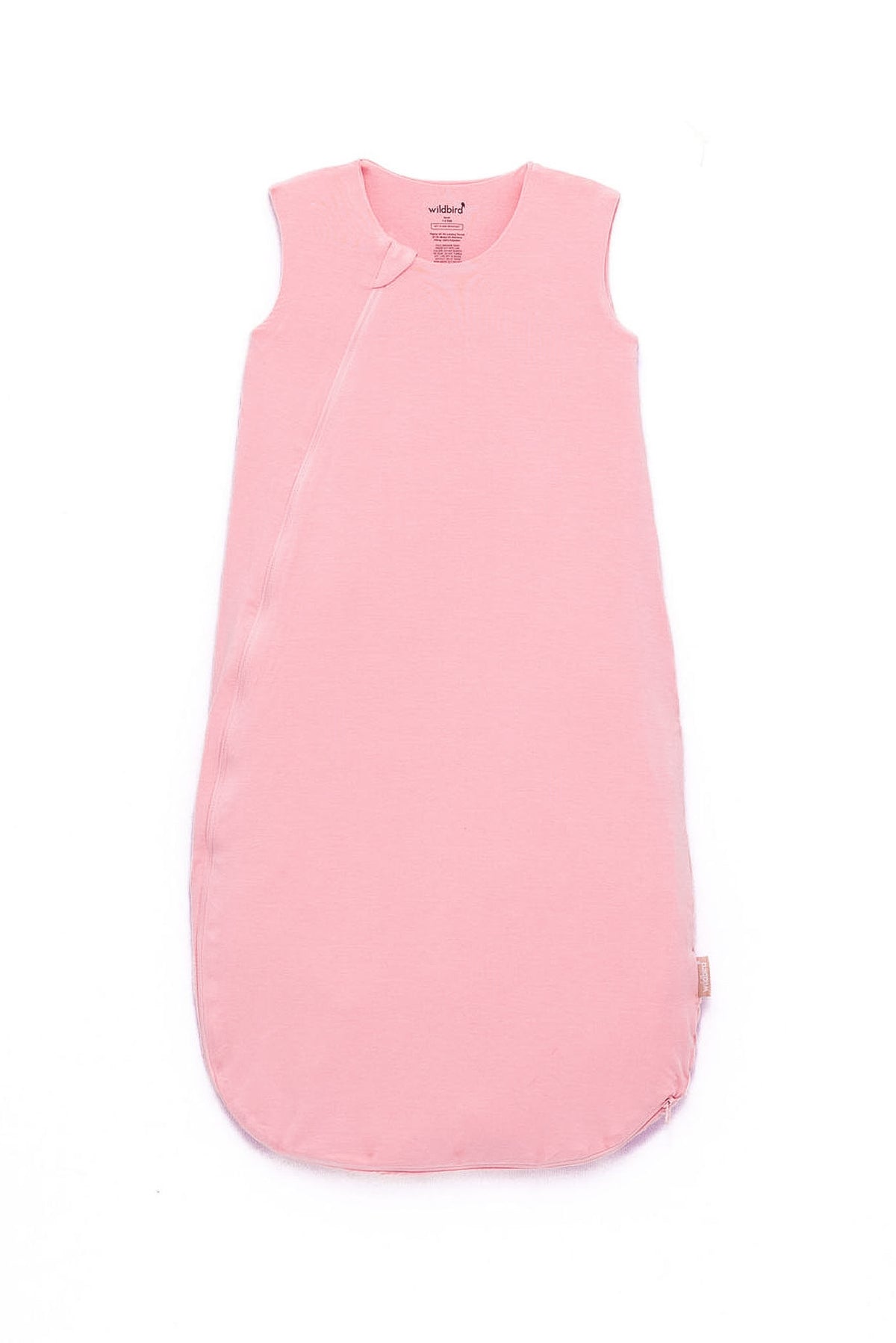
Softness matters, especially against baby’s skin. Our signature CloudBlend™ fabric is breathable, gentle, and made for all-night comfort. Cotton is another great choice for its natural feel and durability. For cooler nights, fleece can add an extra layer of warmth without overheating.
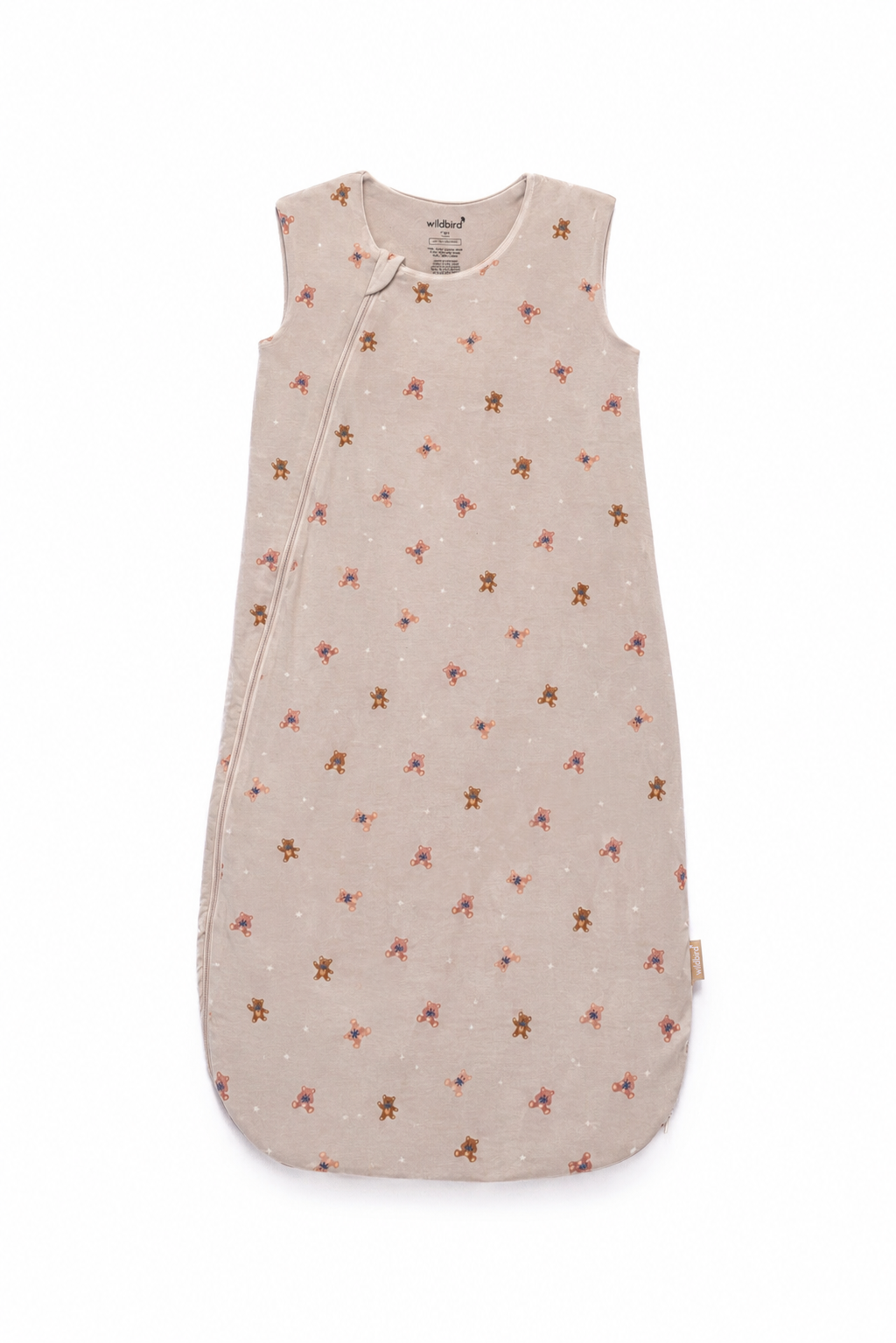
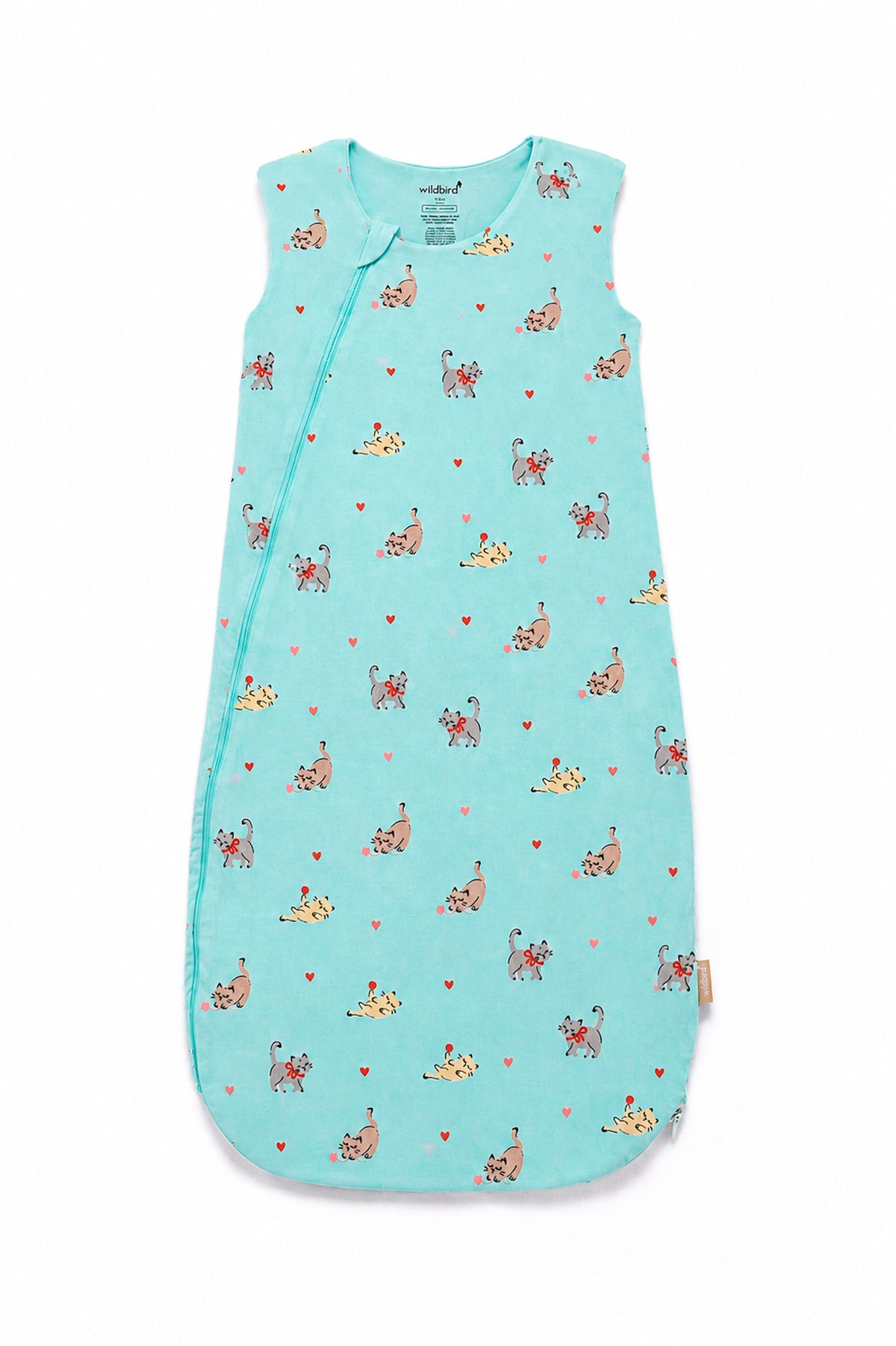
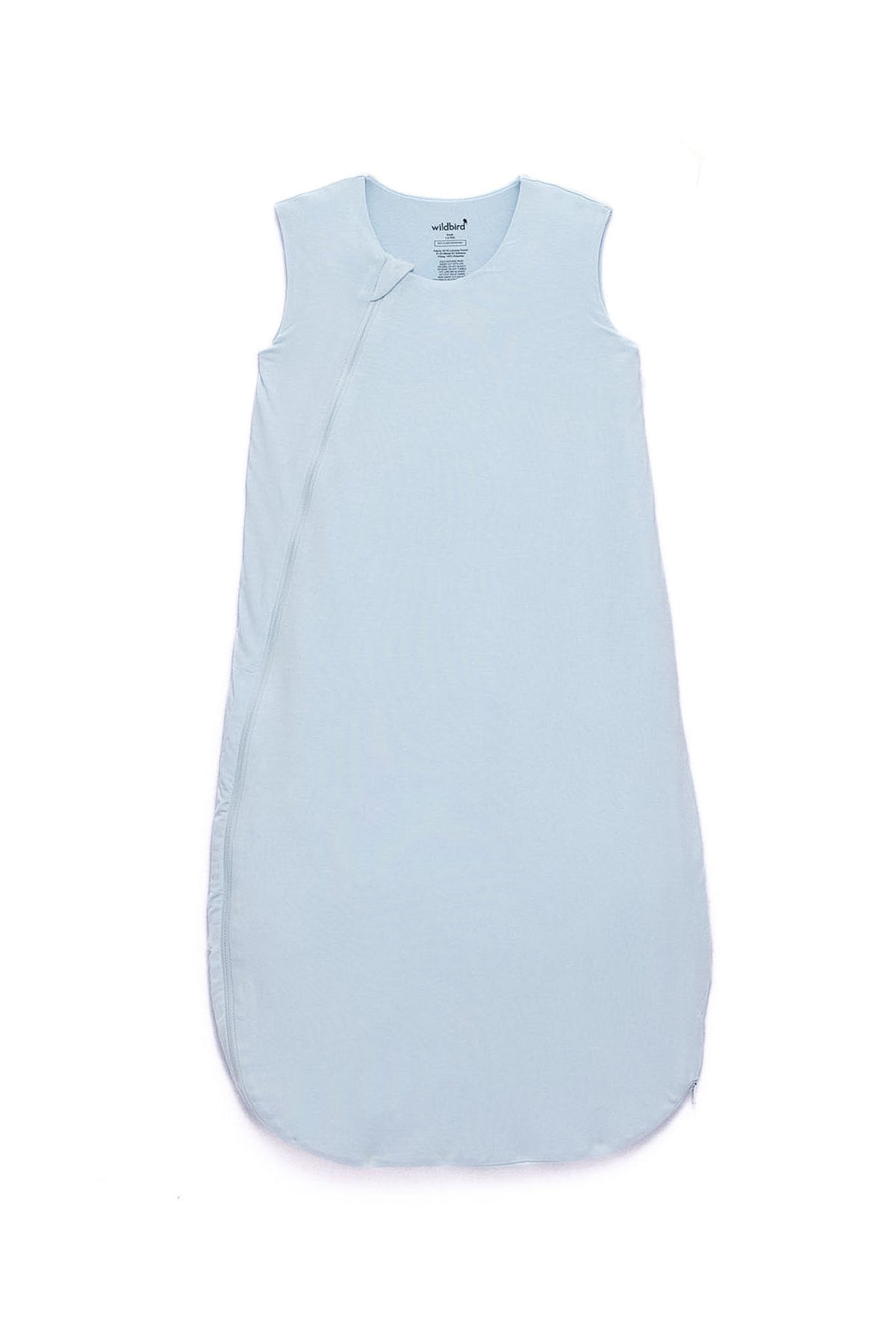
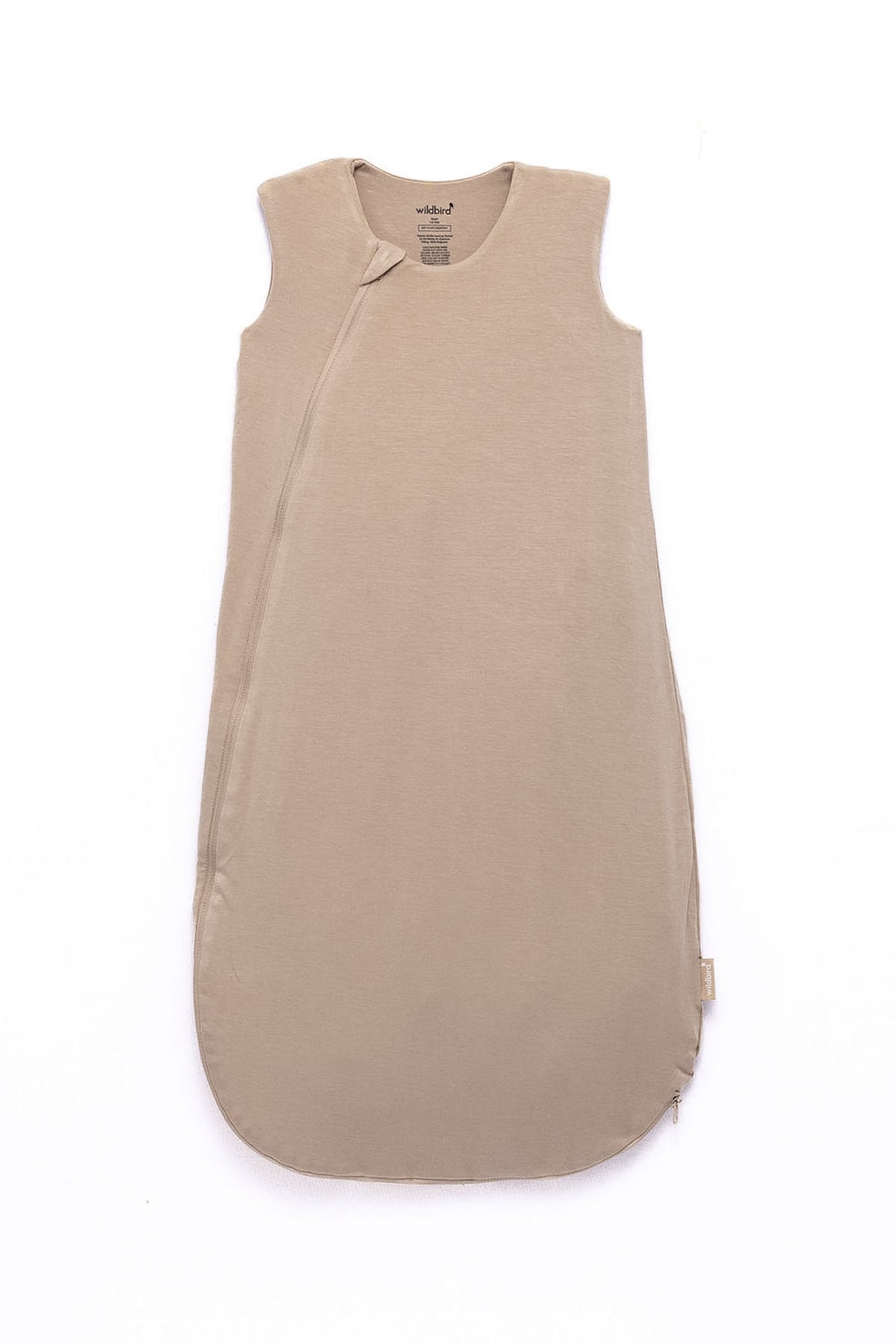
Looking to layer up? Try our bestseller Desert Lark Cloudblend™ Sleep Sack TOG 1.0 for everyday comfort, or go with the Desert Lark - CloudBlend™ Sleep Sack TOG 2.5 on chillier nights. Always choose fabrics that are soft, breathable, and made to support better sleep.
Safety Features
A good sleep sack should have a snug but not tight fit, with proper armholes that stay in place. Zippers help with easy changes, and sleeveless designs support safe rolling and movement.
Versatility
Some sleep sacks come with convertible features like swaddle wings or adjustable lengths. These can be helpful as your baby grows and their sleep needs change.
Personal Preference
What works for one baby may be different for another. Some sleep better with extra warmth, while others prefer lighter layers. Go with what feels best for your baby and your routine. Comfort, ease, and good sleep for both of you are what matter most.
Baby Sleep Sacks vs. Swaddles
Swaddles and sleep sacks both help babies feel secure while they sleep, but they serve different stages and needs. Baby swaddles are designed for newborns who are still adjusting to life outside the womb. They gently wrap around baby’s arms and body to calm the startle reflex and support restful sleep in those early weeks.
As baby grows and begins to roll, swaddles are no longer safe. That’s where sleep sacks come in. A sleep sack allows for more movement while still keeping baby cozy. It’s a wearable blanket that stays in place, helps regulate temperature, and removes the risk of loose bedding in the crib.
Sleep sacks are also easier to use. There’s no need to learn folding techniques or worry about baby breaking free in the night. Zip them in, give a cuddle, and you’re set for sleep. Whether you are transitioning out of the swaddle or starting with a sleep sack from the beginning, it’s a simple and safe way to support better sleep for your baby.
Sleep Sack FAQs
Are Sleep Sacks Safe for Infants?
Yes, sleep sacks are considered a safe option for infants. They provide the warmth of a blanket without the risks that come with loose bedding. Designed to stay in place through the night, sleep sacks reduce the chance of fabric covering baby’s face and support safer sleep once baby starts to roll. A properly fitted sleep sack allows for natural movement while keeping baby cozy and secure. As always, choose the right size, check the armholes for a snug fit, and lay baby down on their back in a safe sleep space.
What Age Is Best for a Sleep Sack?
Most babies can start using a sleep sack around eight to twelve weeks, or as soon as they begin to show signs of rolling. At this point, swaddling is no longer safe, and a sleep sack offers a secure alternative that still feels comforting. Sleep sacks can be used well into toddlerhood, with sizing options available for growing babies. The key is to choose the right fit based on your baby’s age, size, and sleep habits. If your baby is too small for a larger sack or still prefers that snug feeling, start with a transitional option that eases the switch.
Do Babies’ Arms Get Cold in Sleep Sacks?
Sleep sacks are sleeveless by design to support safe rolling and help prevent overheating. In most cases, your baby’s arms will stay comfortable as long as the room temperature and base layers are appropriate for the season. If the room feels cooler or your baby tends to get chilly, you can always add a long-sleeve bodysuit or use soft arm warmers for extra warmth. Check your baby’s chest or back to make sure they feel warm and dry. If their hands or arms feel cool but the rest of their body is cozy, they’re likely dressed just right.
Can Babies Roll Over in a Sleep Sack?
Yes, babies can safely roll over in a sleep sack. In fact, sleeveless designs are made specifically with mobility in mind. Once your baby shows signs of rolling, it’s time to stop swaddling and transition to a sleep sack that allows for natural movement. A properly fitted sleep sack gives your baby the freedom to roll, shift, and find their own comfortable sleep position without the risk of loose blankets. Always lay baby down on their back to start, and make sure the sleep sack is the right size to keep them cozy, secure, and safe through the night.
What Should Baby Wear Under a Sleep Sack?
What baby wears under a sleep sack depends on the room temperature and the TOG rating of the sack. On cooler nights, choose a long sleeve footed pajama or a bodysuit with pants for extra warmth. In warmer rooms, a short sleeve onesie or just a diaper may be enough. The goal is to keep baby comfortable without overheating. Always check baby’s chest or back to see if they feel warm and dry. If they do, you are right where you need to be for a safe and restful sleep.